Introduction
India is one of the most photogenic countries in the world. From colorful markets and centuries-old architecture to vibrant festivals and everyday street life, every corner tells a unique story. For photographers and travelers alike, it’s a dream destination filled with unforgettable moments.
However, one of the biggest questions many visitors have is: Is it okay to photograph people in India?
The answer is yes—but with respect, awareness, and an understanding of local customs.
Unlike photographing buildings or landscapes, photographing people involves trust and cultural sensitivity. A smile, a polite gesture, or simply asking for permission can make the difference between taking an ordinary picture and creating a meaningful portrait.
This guide will help you understand how to Photograph People in India respectfully while capturing authentic moments you’ll treasure forever. Whether you’re using a DSLR, mirrorless camera, or smartphone, these practical tips will help you become a more thoughtful travel photographer.
Why Respect Matters in Street Photography
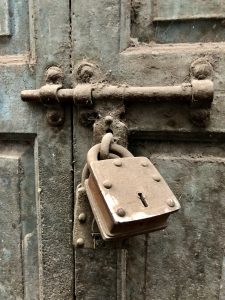 Street photography is about documenting real life, not invading someone’s privacy.
India is incredibly diverse, with different languages, religions, traditions, and lifestyles. While many people are happy to be photographed, others may prefer not to be.
Respecting those preferences doesn’t limit your creativity—it actually improves your photography.
When people feel comfortable around you, they often become more relaxed, resulting in natural expressions and genuine moments that can’t be staged.
As a traveler, your goal shouldn’t just be collecting photographs; it should also be creating positive interactions with the people you meet.
Every Portrait Tells a Story
One of the reasons photographers love India is because every face tells a story.
A chai seller preparing tea at sunrise.
A flower vendor arranging colorful marigolds.
A rickshaw driver waiting for passengers.
Children playing cricket in a narrow lane.
An elderly craftsman working with traditional tools.
These moments represent everyday life, and capturing them respectfully helps preserve authentic memories rather than simply taking random pictures.
Ask Permission Before Taking Someone’s Photo
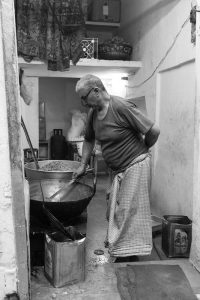
The simplest photography tip is also the most important:
Always ask for permission whenever possible.
In many situations, a smile and a simple gesture toward your camera is enough to communicate your intention.
If the person smiles back or nods, you’ve received a positive response.
If they decline, simply thank them and move on.
Respecting someone’s decision creates a better experience for everyone.
Why Asking Permission Makes Better Photos
Many travelers worry that asking permission will make the photograph feel less natural.
In reality, the opposite often happens.
Once someone knows why you’re taking the picture, they usually become more relaxed.
They may even:
- Smile naturally
- Continue working
- Suggest a better background
- Invite family members into the frame
- Share part of their story
Instead of just taking a photograph, you’ve created a genuine human connection.
Learn Simple Local Gestures
You don’t need to speak Hindi fluently to communicate politely.
Simple actions such as:
- Smiling
- Making eye contact
- Pointing gently to your camera
- Saying “Photo?”
- Joining your hands in a respectful “Namaste”
are often enough to show courtesy.
Many travelers are surprised at how welcoming people become after these small gestures.
When You Should Avoid Taking Photos
Respect also means knowing when not to photograph someone.
Avoid photographing people in situations where they may feel uncomfortable or vulnerable.
Examples include:
- During private family moments
- Medical emergencies
- Religious ceremonies where photography is restricted
- People who clearly indicate they don’t want photographs
- Children without a parent or guardian’s permission
Good photography is never worth making someone uncomfortable.
Understanding Cultural Etiquette in India
India is home to countless cultures and traditions.
What’s considered acceptable in one place may not be appropriate somewhere else.
Being culturally aware helps you become both a better traveler and a better photographer.
Dress Respectfully
Although major cities are modern, modest clothing is appreciated in many public places.
If you’re visiting:
- Temples
- Mosques
- Gurudwaras
- Rural villages
- Religious festivals
wearing respectful clothing helps build trust with local communities.
People are generally more comfortable interacting with photographers who respect local customs.
Religious Places Require Extra Respect
India has thousands of religious sites.
Some allow photography.
Others prohibit it completely.
Before taking out your camera:
- Read any signs.
- Follow instructions from staff.
- Observe what local visitors are doing.
- Ask if photography is allowed.
Even where photography is permitted, avoid using flash during prayers or ceremonies.
Be Patient
One of the biggest mistakes beginner travel photographers make is rushing.
Instead of taking dozens of photos immediately, spend a few minutes observing your surroundings.
Watch how people interact.
Notice the light.
Understand the environment.
When people become accustomed to your presence, they naturally behave more comfortably, resulting in stronger and more authentic images.
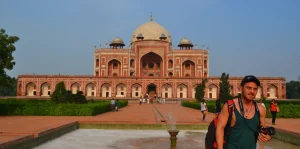 Public Spaces vs Private Spaces
Many travelers assume that because someone is in public, photographing them is always acceptable.
While public places generally allow street photography, respecting personal boundaries is still important.
Busy markets, streets, festivals, and parks often provide excellent opportunities for candid photography.
However, entering private homes, shops, or workplaces to take photographs should only be done with permission.
Showing respect builds trust—and trust almost always leads to better photographs.
Why Old Delhi Is Perfect for Respectful Street Photography
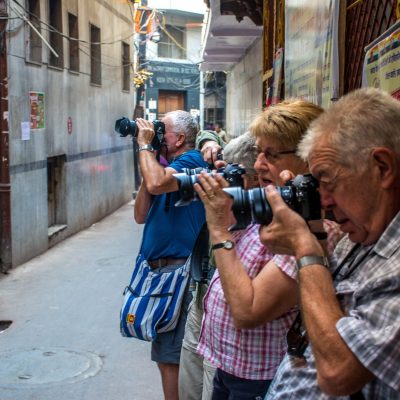
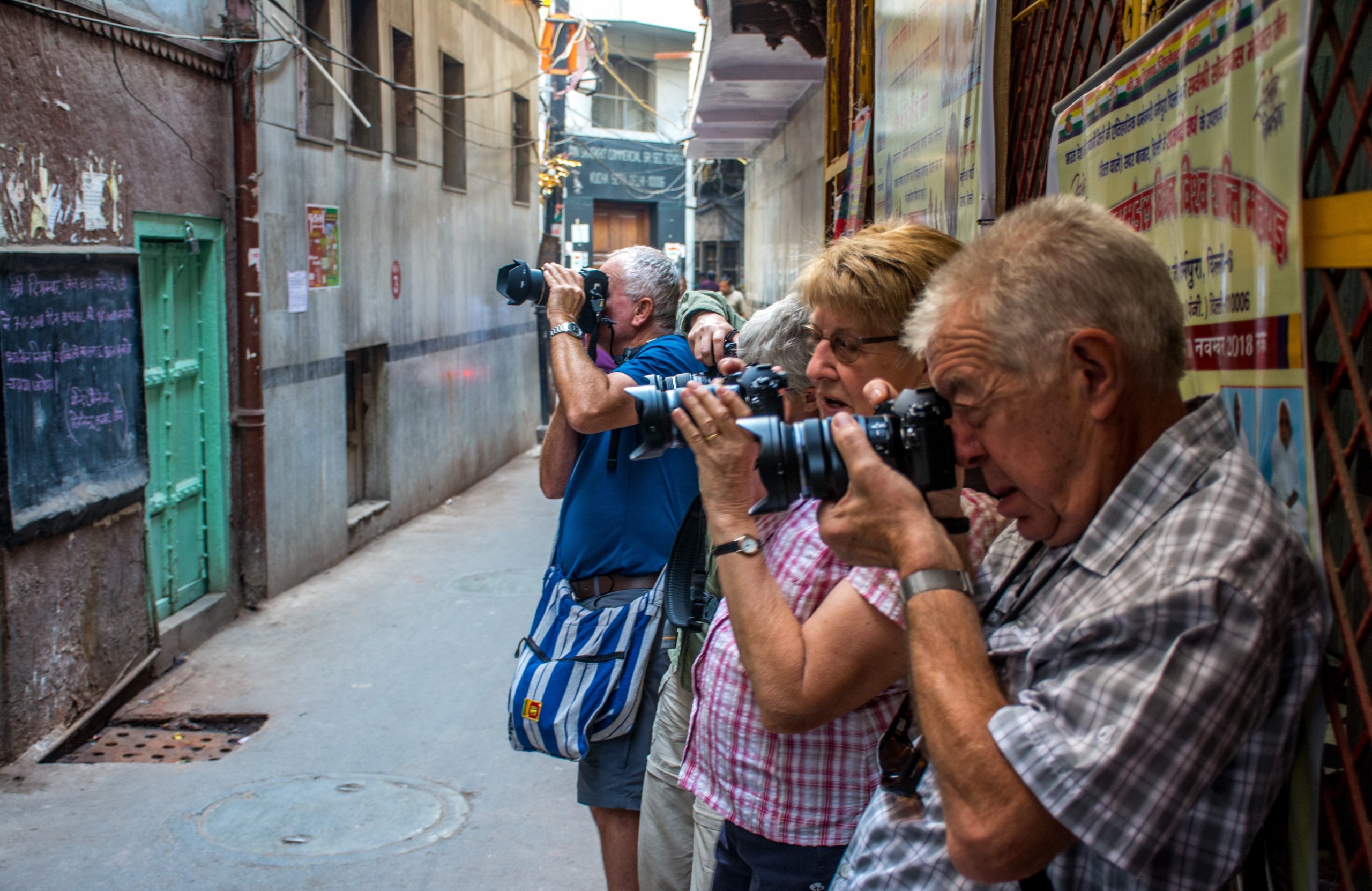
Old Delhi is one of the most fascinating places in India for travel photography.
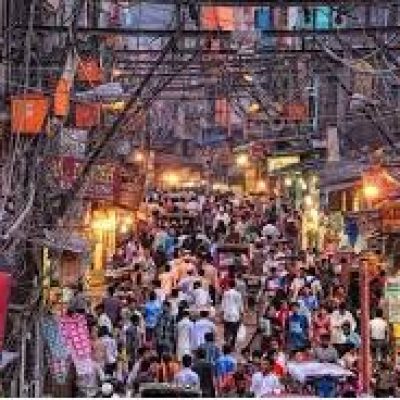
Its narrow lanes, historic buildings, colorful bazaars, spice markets, and everyday street life create endless opportunities for storytelling through your camera.
What makes Old Delhi special isn’t just its architecture—it’s the people.
From skilled artisans and shopkeepers to food vendors and cycle rickshaw drivers, every street offers authentic moments waiting to be captured.
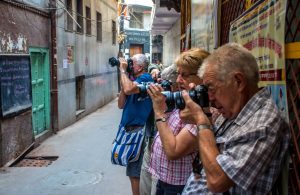
The key is to slow down, observe patiently, and interact respectfully. Many locals are happy to pose for a portrait when approached politely, turning a simple photograph into a memorable cultural exchange.
If you’re new to street photography, exploring Old Delhi with an experienced local guide can help you understand cultural etiquette, discover hidden photo locations, and build confidence while photographing people respectfully.
How to Capture Natural Street Portraits in India
One of the biggest challenges for travel photographers is capturing portraits that feel genuine rather than posed. The most memorable street portraits are often those where the subject looks relaxed, comfortable, and connected to their surroundings.
Instead of asking someone to stand still and smile immediately, spend a few moments observing what they’re doing. A tea vendor preparing chai, a craftsman carving wood, or a flower seller arranging garlands often creates a much stronger photograph while naturally engaged in their work.
When people continue with their daily routine, your images tell a story instead of simply showing a face.
Build a Connection Before Taking the Photo
Great portraits begin long before you press the shutter.
Take a moment to interact with the person. Even a short conversation or a friendly smile can completely change the atmosphere.
You can:
- Say hello.
- Smile warmly.
- Compliment their shop or work.
- Buy a cup of chai from a vendor.
- Ask simple questions about what they do.
These small interactions help people feel comfortable and often lead to much more expressive portraits.
Many experienced travel photographers spend more time talking than shooting.
Focus on Storytelling
A powerful travel photograph is about more than just a person’s face.
Try including details that explain their environment.
For example:
- A spice seller surrounded by colorful spices.
- A barber working on a customer in a small roadside shop.
- A bicycle mechanic repairing an old cycle.
- A street artist painting signs.
- A chef preparing fresh Indian snacks.
These images provide context and make your photographs far more interesting.
Ask yourself:
“What story does this image tell?”
If the answer is clear, you’ve probably created a strong photograph.
Camera Settings for Street Portrait Photography
You don’t need expensive equipment to photograph people respectfully in India. Understanding a few basic camera settings is much more important.
Aperture
For individual portraits, a wide aperture helps separate your subject from the background.
Recommended settings:
- f/1.8
- f/2
- f/2.8
- f/4
This creates a soft background while keeping the person’s face sharp.
Shutter Speed
People are constantly moving in busy streets.
To avoid motion blur, use:
- 1/250 sec for standing subjects
- 1/500 sec for moving people
- Faster speeds in crowded markets
ISO
Keep your ISO as low as possible during daylight.
Typical settings:
- ISO 100
- ISO 200
- ISO 400
Increase ISO only when shooting indoors or after sunset.
Focus Mode
Use continuous autofocus if your camera supports it.
Eye detection autofocus works particularly well for portraits and helps keep the subject’s eyes sharp.
Smartphone Photography Tips
Don’t worry if you don’t own a professional camera.
Modern smartphones are capable of producing stunning travel photographs.
To improve your results:
- Clean your camera lens before shooting.
- Tap on the subject’s face to focus.
- Avoid using digital zoom.
- Shoot in portrait mode when appropriate.
- Use natural light whenever possible.
Composition and timing matter much more than expensive equipment.
Best Lighting for Portrait Photography
Lighting can completely change the mood of an image.
The best times to photograph people in Delhi are:
Early Morning
Soft golden light.
Less crowded streets.
Vendors preparing for the day.
Authentic daily life.
Golden Hour
The hour before sunset provides beautiful warm light that flatters skin tones and creates dramatic street scenes.
Cloudy Days
Many photographers avoid cloudy weather, but overcast skies actually create soft, even lighting that works wonderfully for portraits.
Best Places in Delhi to Photograph People Respectfully
Delhi offers countless opportunities for street photography, but some areas are especially rewarding for respectful portraits.
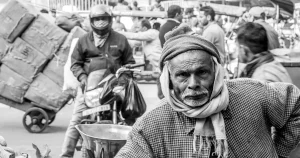 Old Delhi
Old Delhi remains the heart of street photography in the capital.
You’ll find:
- Traditional markets
- Rickshaw drivers
- Spice traders
- Local artisans
- Historic streets
- Colorful shopfronts
This area rewards patience and observation.
Chandni Chowk
One of India’s busiest markets, Chandni Chowk is filled with vibrant colors, historic architecture, and fascinating daily life.
Morning hours are particularly rewarding as shopkeepers prepare for the day.
Jama Masjid Area
The surroundings of Jama Masjid provide opportunities to photograph architecture alongside everyday street life.
Remember to respect worshippers and avoid disturbing religious activities.
Lodhi Art District
If you’re looking for a more contemporary setting, Lodhi Art District combines colorful murals with interesting urban portraits.
It offers a completely different atmosphere compared to Old Delhi.
Local Markets
Neighborhood markets often provide some of the most authentic travel photographs.
Unlike major tourist attractions, local markets showcase everyday life in a natural way.
Take your time, interact with vendors, and photograph respectfully.
Common Mistakes Travelers Make
Even experienced photographers make mistakes when visiting India for the first time.
Here are the most common ones:
Photographing Too Quickly
Many visitors immediately raise their camera without observing the scene.
Slow down first.
Watch the environment.
Understand the moment.
Then take the photograph.
Ignoring Body Language
A person’s facial expression often tells you whether they’re comfortable being photographed.
If someone looks uncomfortable or signals “no,” respect their decision immediately.
Using Flash
Flash can distract people and ruin natural moments.
Whenever possible, use available light instead.
Natural lighting almost always produces more authentic photographs.
Focusing Only on Faces
Remember that storytelling includes surroundings.
Hands preparing food.
Tools.
Market stalls.
Traditional clothing.
Interesting backgrounds.
These details help create richer travel photographs.
Taking Too Many Photos
Quality is more important than quantity.
Rather than taking fifty similar images, wait for one meaningful moment.
Patience often rewards photographers with their best shots.
Learn From Local Experts
Exploring Delhi with someone who understands both photography and local culture can make a huge difference.
A knowledgeable local guide can help you:
- Discover hidden photography locations.
- Understand cultural etiquette.
- Communicate respectfully with local people.
- Find the best light throughout the day.
- Improve your composition and storytelling skills.
Instead of spending hours searching for locations, you can focus entirely on creating memorable photographs and enjoying the experience.
By learning from local experts, you’ll return home not only with better images but also with a deeper appreciation of Delhi’s people, traditions, and everyday life.
Why Every Photographer Should Experience an Indian Cooking Class
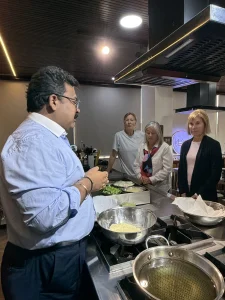 Photography is about telling stories, and food is one of the most important parts of India’s story.
After spending the morning photographing colorful markets, smiling shopkeepers, spice vendors, and busy streets, many travelers discover that the next best cultural experience isn’t another monument—it’s learning how Indian food is actually prepared.
Joining an Indian Cooking Class in Delhi gives photographers a completely different perspective on Indian culture. Instead of simply photographing dishes in restaurants, you get to meet local hosts, understand traditional recipes, explore fresh ingredients, and witness authentic moments inside an Indian kitchen.
For travel photographers, this creates countless opportunities for storytelling.
You can photograph:
- Fresh vegetables and spices
- Traditional cooking techniques
- Hands preparing fresh dough
- Steam rising from homemade curries
- Beautiful Indian thalis
- Tea-making ceremonies
- Family-style dining experiences
Unlike restaurants, cooking classes offer a relaxed environment where photography is usually much easier because participants expect cultural interaction.
Many photographers leave with not only better food photographs but also a deeper understanding of Indian traditions.
If you’re planning a cultural trip to Delhi, combining a Delhi Photo Tour with an Indian Cooking Class creates a perfect full-day experience.
Why a Guided Delhi Photo Tour Makes a Difference
Delhi is one of the most rewarding cities for street photography, but it can also feel overwhelming for first-time visitors.
The narrow lanes of Old Delhi, busy markets, hidden alleys, and constantly changing street scenes offer incredible photographic opportunities—but only if you know where to look.
Joining a guided Delhi Photo Tour helps photographers spend less time searching and more time shooting.
A local photography guide can help you:
- Discover hidden photo locations.
- Meet local artisans.
- Understand cultural etiquette.
- Find the best morning light.
- Avoid crowded tourist routes.
- Learn storytelling techniques.
- Improve street photography confidence.
Whether you’re a beginner or an experienced photographer, having local knowledge often results in stronger images and a far more enjoyable experience.
Ethical Photography Creates Better Memories
The best travel photographs are never just about perfect camera settings.
They’re about respect.
When people feel comfortable, they naturally express genuine emotions.
Instead of collecting random photographs, you’ll create meaningful memories connected to real conversations and authentic experiences.
Remember these simple principles:
. Ask permission whenever possible.
. Respect cultural traditions.
. Observe before photographing.
. Smile first.
. Accept “No” politely.
. Share kindness along with your camera.
Great photographers don’t simply capture images—they build trust.
Final Thoughts
India offers some of the richest street photography opportunities anywhere in the world.
From the colorful lanes of Old Delhi and lively local markets to peaceful temples and everyday street life, every neighborhood has its own unique story waiting to be discovered.
But what truly makes these photographs memorable isn’t the location or the camera—it’s the connection between the photographer and the people being photographed.
By taking time to understand local customs, asking permission, respecting personal boundaries, and appreciating India’s cultural diversity, you’ll return home with photographs that are both beautiful and meaningful.
If you’re looking to improve your travel photography while discovering hidden streets, authentic markets, and everyday life in Delhi, joining a guided Delhi Photo Tour is one of the best ways to experience the city through your camera.
You’ll not only capture incredible photographs but also gain a deeper appreciation of the people, culture, and traditions that make Delhi unforgettable.
Frequently Asked Questions
1. Is it legal to photograph people in India?
Yes. Street photography is generally allowed in public places, but photographers should always respect personal privacy and local regulations.
2. Should I ask permission before taking someone’s photo?
Yes. Asking permission whenever possible is considered respectful and often results in more natural portraits.
3. Can I photograph children?
Only with permission from a parent or guardian.
4. Which camera is best for street photography in India?
Any camera works well, including DSLRs, mirrorless cameras, and modern smartphones. Good composition and respectful interaction matter more than expensive equipment.
5. What is the best time for street photography in Delhi?
Early morning and the golden hour before sunset usually provide the best lighting.
6. Where can I photograph people in Delhi?
Old Delhi, Chandni Chowk, local markets, Lodhi Art District, and surrounding neighborhoods all offer excellent opportunities for respectful street photography.
7. Is Delhi safe for travel photographers?
Yes. Like any major city, staying aware of your surroundings, respecting local customs, and exploring with a knowledgeable guide can make your experience more comfortable.
8. What should I wear while photographing in India?
Comfortable clothing that respects local culture is recommended, especially when visiting religious places or traditional neighborhoods.
9. Can beginners join a Delhi Photo Tour?
Absolutely. Guided photo tours are suitable for beginners, hobbyists, and professional photographers alike.
10. What other cultural experiences pair well with a Delhi Photo Tour?
An Indian Cooking Class in Delhi is one of the best experiences to combine with a photo tour. It allows you to photograph authentic food preparation, learn traditional recipes, and experience Indian hospitality in a unique way.
Conclusion
Respectful photography is about much more than taking beautiful pictures—it’s about creating genuine human connections. When you approach people with kindness, curiosity, and cultural awareness, your photographs become stories rather than snapshots.
Whether you’re exploring the colorful streets of Old Delhi, documenting everyday life in bustling markets, or learning traditional recipes during an Indian cooking class, every interaction adds depth to your travel experience.
So pack your camera, keep an open mind, and explore Delhi with respect. The city will reward you with unforgettable photographs, meaningful conversations, and memories that last long after your journey ends.